Cybersecurity for Realtors: How to Prevent Wire Fraud in Real Estate Transactions
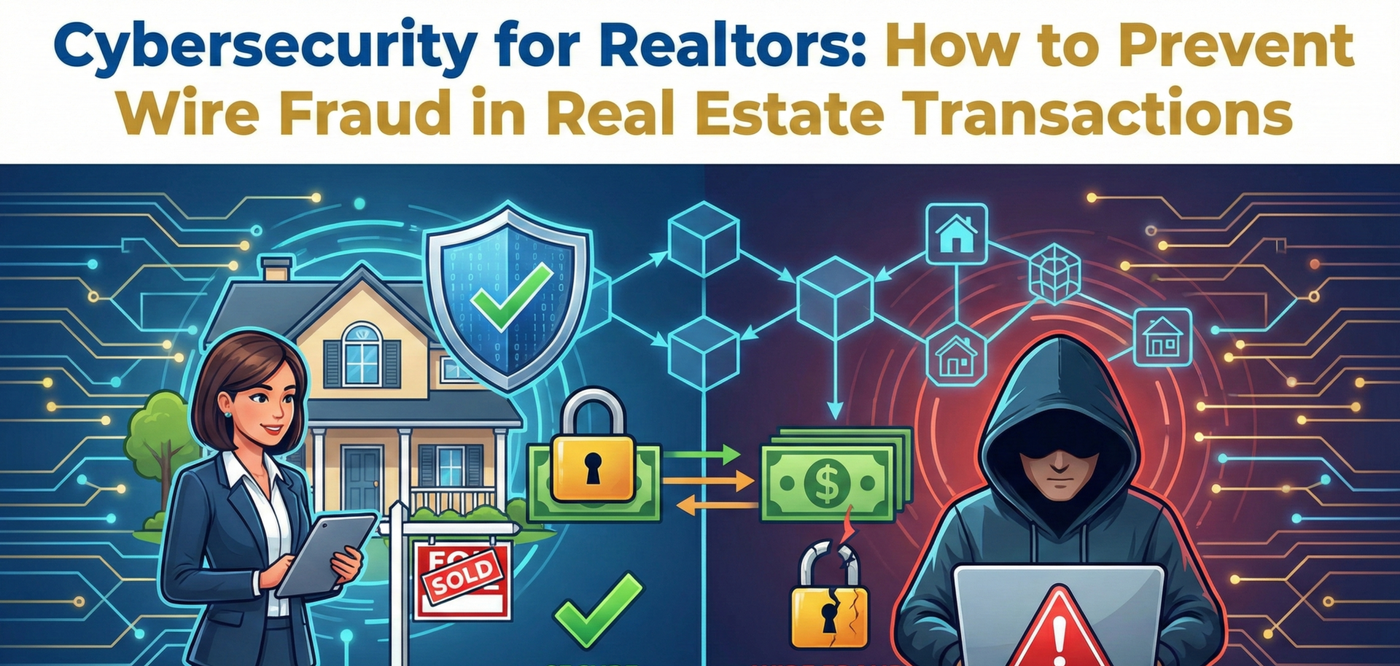
It’s every Toronto realtor’s nightmare: Closing day arrives, your client wires the $200,000 deposit… and it vanishes.
It didn’t go to the lawyer’s trust account. It went to a hacker in another country. And because the client thought they were following your instructions, they are looking at you for answers.
Real estate wire fraud is the fastest-growing cybercrime in Canada. Hackers target brokerages specifically because they know high-value transactions are happening daily, and security is often lax.
How the “Business Email Compromise” (BEC) Scam Works
Hackers don’t usually “hack” the bank. They hack you.
- The Breach: A hacker guesses your password or tricks you into clicking a phishing link, gaining access to your email.
- The Lurk: They don’t strike immediately. They sit quietly, reading your emails, waiting for a deal to heat up. They learn the names of your clients, the lawyers, and the closing dates.
- The Strike: Just before closing, they send an email from your actual account (or one that looks identical) to the client. The message says:
“Urgent: The wiring instructions have changed. Please wire the deposit to this new account immediately to avoid delays.”
Because the email comes from you, the client trusts it. By the time anyone realizes the money is missing, it’s too late.
3 Steps to Bulletproof Your Transactions
1. Turn on Multi-Factor Authentication (MFA) Immediately
This is the single most effective way to stop account takeovers. With MFA, even if a hacker steals your password, they can’t log in to your email without the code from your phone. If you haven’t enabled this on your Microsoft 365 or Google Workspace account, you are an open target.
2. Never Email Wiring Instructions
Make it a firm brokerage policy: We never send or accept wiring instructions via email.
If banking details must be shared, do it via a secure, encrypted portal or, better yet, a phone call. Instruct your clients to always call you (on a number they know is yours) to verbally verify account numbers before sending a dime.
3. Secure Your “Home Office”
Real estate agents work from coffee shops, cars, and home offices. Public Wi-Fi is dangerous. Ensure every agent is using a VPN (Virtual Private Network) when connecting to deal files on public networks. Additionally, ensure all laptops are encrypted so that if one is stolen from a car, the data is unreadable.
Is Your Brokerage Secure?
Don’t wait for a lost deposit to take security seriously. We specialize in securing Toronto real estate brokerages. We can lock down your email, secure your mobile devices, and train your agents to spot phishing scams.
Book a Free Security Assessment